I. Description & Savoir-faire
Cette fiche est en cours de mise à jour pour se conformer à nos sources de données. Merci de repasser prochainement.
Hauteur moyenne 20 cm
Masse d'une graine 0,22 mg Structure florale et fruit La plante produit des fleurs blanches ou roses et des fruits en forme d'akènes. Les feuilles sont disposées en rosette.
Sources Díaz et al. 2022, TRY File Archive (doi:10.17871/TRY.81) · CC BY 4.0 · Wikipédia, « Baldellia repens » · CC BY-SA 4.0 — texte adapté, partagé sous la même licence
II. Une année J F M A M J J A S O N D Floraison Observée · hémisphère nord
Les cases pleines marquent le cœur de chaque période. Dates indicatives pour la France, qui varient avec l'altitude et le climat. Les lignes « Observée » et « Fructification » viennent des dates des observations GBIF : la période regroupe 90 % des observations, le moment fort la moitié. Les saisons sont inversées entre les deux hémisphères.
Sources Wikipédia, « Baldellia repens » · CC BY-SA 4.0 · GBIF · CC BY 4.0 — texte adapté, partagé sous la même licence
III. Répartition & Habitat Carte de présence · France France Monde
4 observations 1 observation 46 observations 26 observations 4 observations 212 observations 131 observations 63 observations 8 observations 114 observations 169 observations 23 observations 261 observations 81 observations 9 observations 3 observations 2 observations 10 observations 3 observations 5 observations 1 observation 1 observation 15 observations 23 observations 1 observation 1 observation 5 observations 2 observations 1 observation 17 observations 1 observation 1 observation 49 observations 42 observations 28 observations 41 observations 5 observations 1 observation 11 observations 3 observations 4 observations 7 observations 18 observations 10 observations 99 observations 479 observations 50 observations 91 observations 61 observations 6 observations 4 observations 3 observations 10 observations 27 observations 6 observations 8 observations 10 observations 9 observations 211 observations 80 observations 138 observations 218 observations 176 observations 14 observations 3 observations 1 observation 2 observations 3 observations 1 observation 11 observations 8 observations 15 observations 6 observations 29 observations 55 observations 46 observations 8 observations 502 observations 349 observations 170 observations 44 observations 2 observations 1 observation 6 observations 2 observations 1 observation 7 observations 37 observations 28 observations 31 observations 8 observations 2 observations 5 observations 16 observations 8 observations 1 observation 2 observations 7 observations 23 observations 62 observations 1 observation 17 observations 5 observations 30 observations 3 observations 1 observation 2 observations 3 observations 1 observation 1 observation 1 observation 1 observation 7 observations 1 observation 1 observation 1 observation N 0 200 km 2 observations 37 observations 6 observations 795 observations 8 observations 646 observations 3 279 observations 7 observations 11 observations 23 observations 192 observations 577 observations 3 observations 12 observations 154 observations 293 observations 311 observations 16 observations 1 observation Équateur
Observations GBIF sous licence CC0 ou CC BY, regroupées par zones de 50 km 550 km puis arrondies : les contours sont approximatifs.
Dans le monde France Répartition géographique · introduit Suède Europe occidentale · introduit Belgique Maghreb · introduit Pays-Bas Terre-Neuve · introduit Norvège Royaume-Uni Portugal Espagne Irlande Danemark Maroc Jersey
Milieux Bords d'étangs et de mares pauvres Parvogéophytaies amphibies exondables Environnement atlantique thermophile
Sources GBIF · CC BY 4.0 · Wikipédia, « Baldellia repens » · CC BY-SA 4.0 — texte adapté, partagé sous la même licence
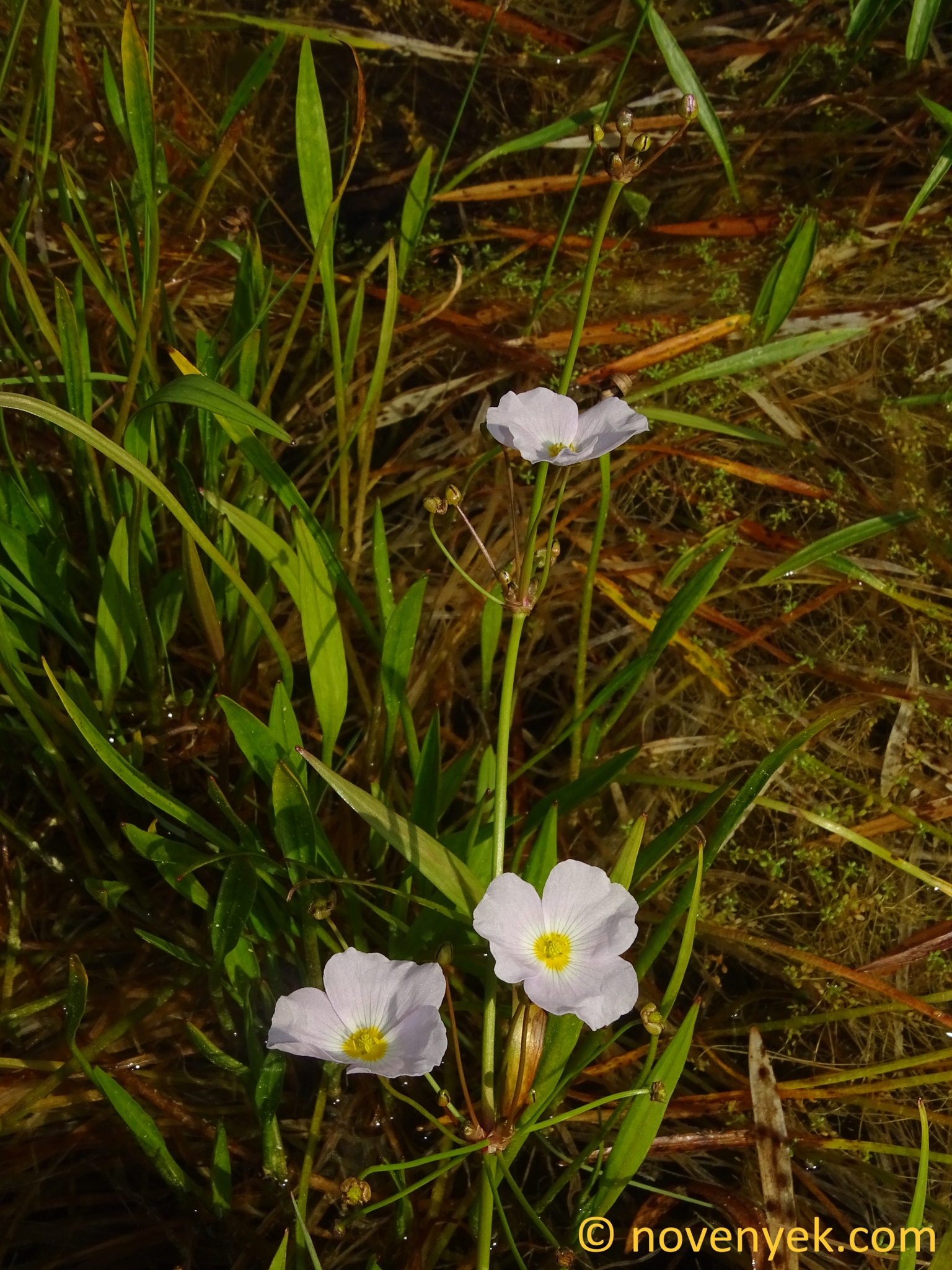
IV. La reconnaître Apparence générale La Baldellie rampante se distingue par ses fleurs de couleur claire et sa rosette de feuilles en forme de lancéoles. Elle présente un port de plante rampante.
Ne pas confondre Baldellia repens Cette fiche
Baldellia ranunculoides subsp. ranunculoides Confusion possible due à la ressemblance des fleurs et de la rosette de feuilles.
Sources Wikipédia, « Baldellia repens » · CC BY-SA 4.0 — texte adapté, partagé sous la même licence
V. Savoir-faire 1 Observation Observer en été (mai à septembre) sur les berges d'étangs et de mares pauvres. Rechercher la rosette de feuilles lancéolées et les fleurs blanches ou roses.
Sources Wikipédia, « Baldellia repens » · CC BY-SA 4.0 — texte adapté, partagé sous la même licence
VI. Conservation Statut UICN mondial NE LC NT VU EN CR EW EX
Non évaluée
Protection en France Aucune protection connue Statut UICN via Wikidata (CC0).
Menaces Disparition locale — Disparition de l'espèce en Allemagne, en Italie et en Wallonie. Elle est classée comme presque menacée en Europe et vulnérable au Maghreb. Sources Wikipédia, « Baldellia repens » · CC BY-SA 4.0 — texte adapté, partagé sous la même licence
VII. Précautions & Informations
Usage médical
Identification